
Doors are a perennial problem in many northern Canadian communities, including many in the Taiga Shield Ecozone.
 |
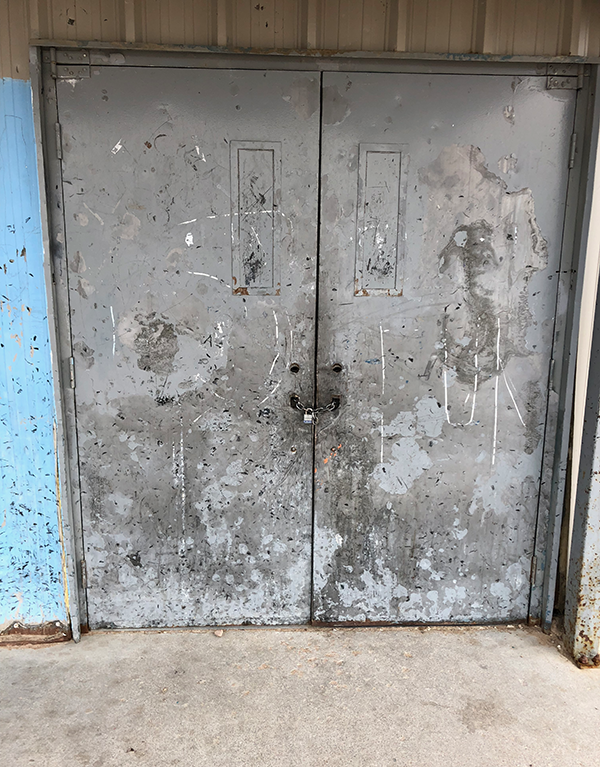 |
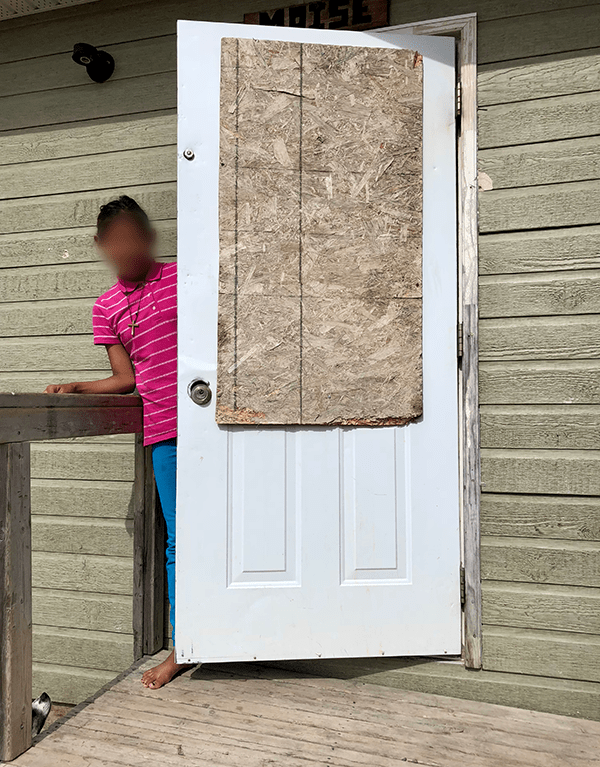
Both exterior and interior doors are often of poor quality and easily damaged. They are expensive to buy and to ship. When they are damaged, instead of replacing them, repairs are often improvised, reducing security, reducing insulating value, and creating an eyesore.
Even steel doors—often purchased and installed in the hope of improving security—are problematic. Purchasing, shipping, and installing a steel door in a remote community can cost more than $1,000. And repairing them is usually impossible with locally-available tools and materials.
As well, when doors are replaced, the old, discarded door must be shipped south for recyling, further adding to their expense. If they’re not shipped south, they contribute to the community’s waste build-up.
What is proposed here are four variants of a heavy-duty wooden door that could replace exterior doors:
1. Cross-Laminated
|
2. Spline
|
3. Tongue & Groove
|
4. Mortise & Tenon
|

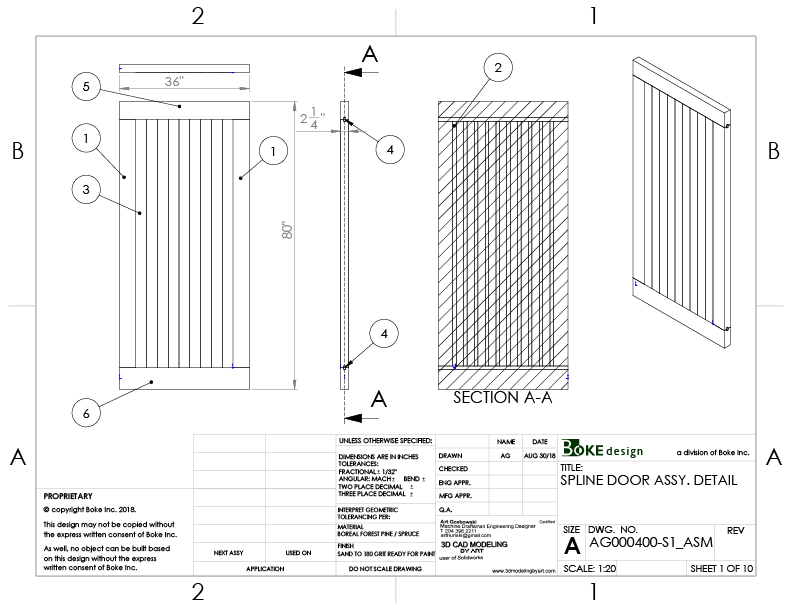
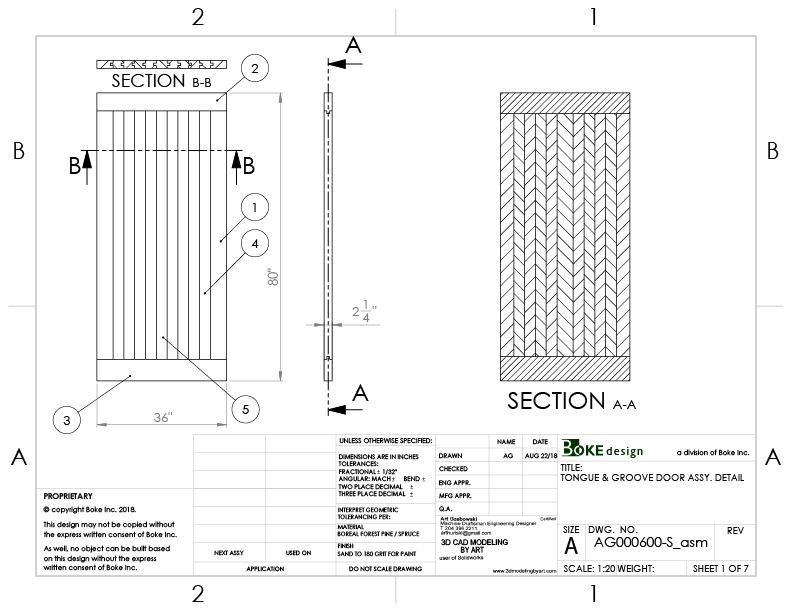

All of these variants can made from local materials and can be constructed by local people in a basic woodworking shop.
If the community school already has a woodworking shop, the doors could be constructed there, using basic shop tools, either as a student project or in the evenings. If the school does not have a shop, funding to buy the needed tools could probably be secured, with at least some of the funding coming from money that would otherwise be spent on buying and shipping in replacement doors.
-
- The only variant that will require equipment in addition to that found in a basic woodworking shop is the Cross-Laminated one. The layers of cross-laminated wood will need to be put under pressure while the glue that binds them together dries. It’s unlikely that the community will have a press large or strong enough to accomodate a door. There are a number of options for building a Do-It-Yourself (DIY) press, but the best method is probably the vacuum-bag veneering technique. The vacuum pump and vacuum bag will cost a total of about $5,000 and will have numerous uses beyond building cross-laminated doors.
One of the design innovations proposed here is that the heavy wooden door be hung as the exterior door, with second, lighter interior door added. (2-door systems are common in net-zero homes.) This lighter interior door could have a screen insert for summer.
One approach for the overall Taiga Shield Shelter Project could be to start with building these wooden replacement doors before attempting a complete building. This would simultaneously:
-
- address a current need in the community,
- spend money in the community that is currently being spent purchasing and importing doors,
- create a project team,
- enhance local skills, and
- build local pride.